COP31 – is Uganda on steady progress regarding climate change?
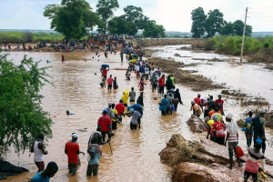
The Conference of the Parties (COP) is a United Nations Framework Convention on Climate Change (UNFCCC) that held its first annual climate change negotiation in 1995, Berlin, Germany. The Paris Agreement was signed in the year 2015 at the COP21 and since then the meetings have been held annually, except for an interruption during the coronavirus pandemic. For the COP31 (Antalya, Turkiye: November 2026), there is renewed optimism that the African continent will finally get results in terms of access to climate finance, loss-and-damage compensation as well as green-growth opportunities. Most of the countries on the African continent have suffered from devastating droughts and floods. The African Group of Negotiators is following up on pledges made at previous COPs in terms of climate finance to the tune of USD70billion. This money can help African countries to develop climate-resistant agriculture, flood and drought mitigation, critical-mass irrigation, multi-hazard early-warning infrastructure, and much more.
Uganda seeks climate finance that is affordable, accessible, predictable and development-focussed. The first step is for Uganda to identify its climate priorities. Secondly, the Ministry of Water and Environment (MWE) coordinates the development of climate-resilient projects and gets them approved by Cabinet and Parliament. Thereafter, the international funders disburse the loans, grants, guarantees, investments to the specific climate project, subject to agreed terms and conditions, which includes an identified and competent implementing agency. Most of this money will come from the World Bank, International Finance Corporation (IFC) and the European Investment Bank (EIB). The Green Climate Fund (GCF) has provided USD235million to over 20 climate projects in Uganda. An example is the Reducing Emissions from Deforestation and forest Degradation (REDD+), which is a result-based payment of USD31million, led by the MWE and the National Forestry Authority. Arising from COP31, it is evident that Uganda can benefit from a target of USD500million in climate finance to expand renewable energy, implement adaptation measures, green industrialization and access to the carbon markets. COP32 is coming to Addis Ababa, Ethiopia and this should present an opportunity for Africa and Uganda.
Certified Public Accountants (CPAs) in Uganda can play a critical role in these climate funds and accountability. It is important for CPAs in the Ministry of Finance, Planning and Economic Development (for accounting policy guidance), Accountant General (mobilization, budget tagging and climate finance reporting) and Auditor General (independent audit) to work together to ensure value-for-money and show the steady progress being made in Uganda. Climate Budget Tagging can help answer this sample of broad questions; “How much was budgeted for climate action in Uganda, how much was actually spent, what was the money spent on and which institution spent it?” These sample questions can best be answered by the responsible CPAs. The Institute of Certified Public Accountants of Uganda (ICPAU) has adopted the International Financial Reporting Standard (IFRS-S2: Climate-related Disclosures) for use in Uganda (https://www.icpau.co.ug/resources/roadmap-adoption-ifrs-sustainability-disclosure-standards-uganda).
By CPA Dr. Albert Richards Otete
Partner, J. Samuel Richards & Associates


