
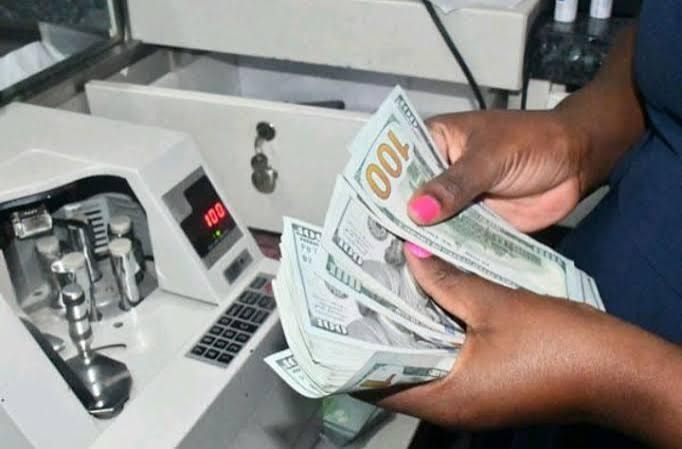
How the Greenback Is Performing Across Top East African Countries
During the month of October 2026, there was an unprecedented depreciation of the Ugandan Shilling (UGX) against the United States Dollar (USD). The depreciation is attributed to several factors. Uganda is a net importer and the heightened demand for USD led existing foreign exchange reserves to plummet. According to the Ministry of Finance, Planning and Economic Development, the import bill was USD18.9billion in last financial year compared to export inflows of USD18.4billion.
The import bill is worsened by supply chain disruptions due to multiple wars in Middle East and Ukraine, closure of shipping routes and the rising Brent crude oil prices from USD67/barrel to USD99/barrel. Secondly, when the US Fed increased interest rates by 25 basis points to 4%, the returns on USD-denominated assets suddenly became lucrative causing major financial capital outflows.
The UGX depreciation has become a major concern for Ugandans. Headline inflation increased to 4.6% and the Bank of Uganda (BOU) was forced to increase the Central Bank Rate (CBR) by 225 basis points from 9.75% to 12.00%. There is a double-whammy for importers;
- The price of imports has increased
- The USD used to pay for imports has appreciated
The Greenback has indeed appreciated against all the four major currencies in East Africa.
East African currencies’ performance against USD (2021-2026)
| Local currency | October 2021 | October 2026 | 5-year depreciation |
| UGX: Uganda | 3530 | 4130 | 17% |
| KES: Kenya | 110 | 126 | 15% |
| TZS: Tanzania | 2260 | 2645 | 17% |
| RWF: Rwanda | 1005 | 1480 | 47% |
Way Forward
BOU has already increased the CBR. It may have to increase it again if the dire situation persists in the fourth quarter of the calendar year. BOU has intervened in the foreign exchange market by selling USD30million to reduce the volatility, but this may not be sustainable as a stand-alone tactic.
With the external public debt stock in USD of 7.5billion, the Ugandan debt liability in UGX has increased by about UGX4.5trillion (just by the UGX depreciation alone). Ugandans have been forced to tighten their belts through financial discipline. However, Government must do the same by reducing public expenditure, eliminate tax waivers, reduce corruption so as to save money for a rainy day.
Uganda needs more import substitution industries and value-added exported products to fetch bigger USD inflows. Whereas the focus is on the Greenback, it should be observed that over a 5-year period, the UGX has also depreciated against the British Pound (GBP – 16% dip), European Euro (EUR – 13%) and the Chinese Yuan (CNY – 15%).


